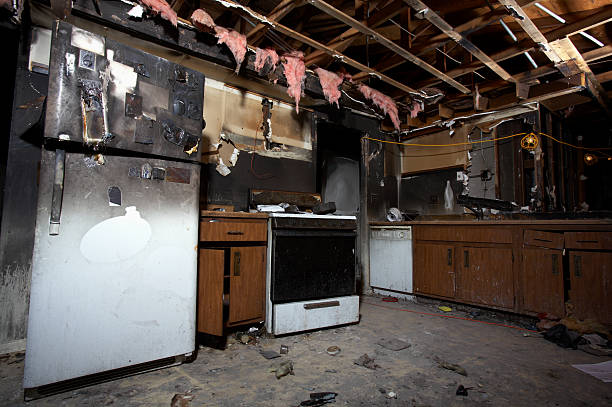
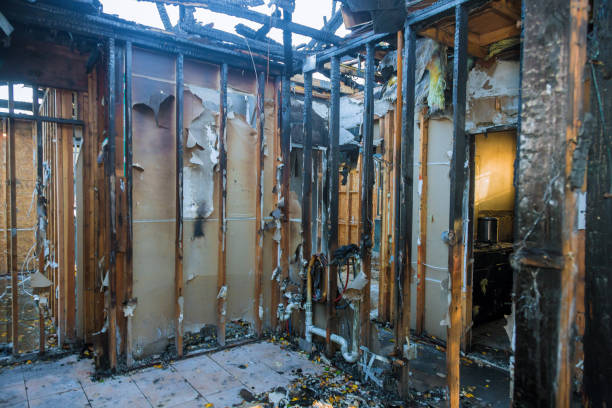
Soot behaves differently on porous drywall than it does on non-porous tile or metal, and our Bristol, CT technicians adjust technique accordingly.
📞 Call +1-866-484-1409 Now
This avoids the streaking that comes from wiping soot with a cloth.
We match method to material, not the other way around.
Local crews mean faster arrival before damage compounds.
Fine particulate captured rather than recirculated into your Bristol, CT property's air.

The primary method for lifting soot from drywall and painted trim without smearing.
Fine soot pulled from carpet, upholstery, and HVAC returns before any wet cleaning begins.
Different chemistry entirely from what porous drywall needs.
We prioritize metal surfaces early because the corrosion clock starts immediately.
Ceilings get cleaned first so falling residue doesn't recontaminate clean walls.
Soot pulled into HVAC returns circulates through the whole Bristol, CT property if left alone.
+1-866-484-1409 reaches a live Bristol, CT dispatcher immediately.
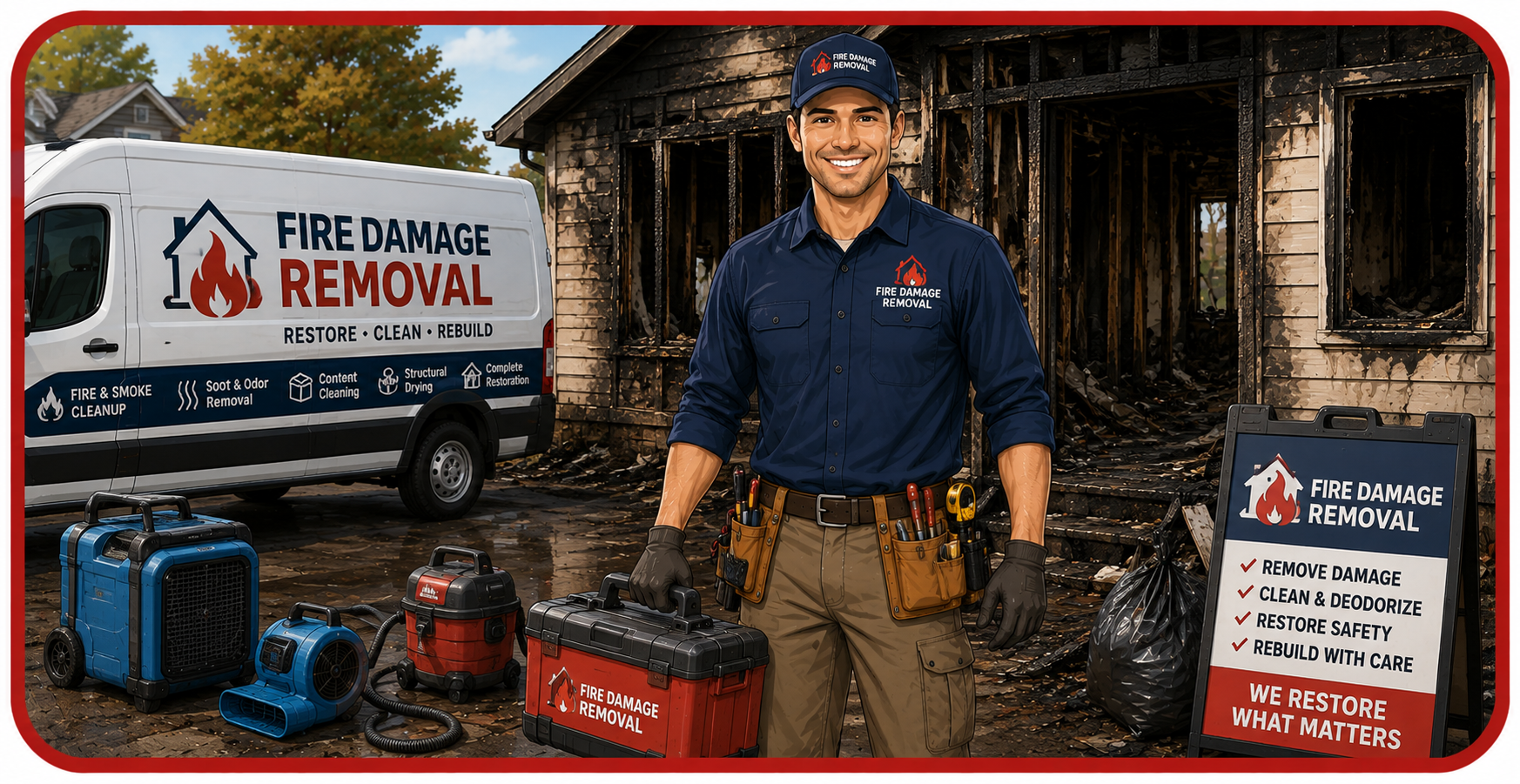
Crews arrive with HEPA vacuums and dry-chemical sponges on board.
You approve the scope before any sponge touches a surface.
Cleaning proceeds surface by surface with a final walkthrough.
"Our own attempt made the streaks worse — the sponge technique they used actually worked." — Homeowner, Bristol
"They caught the soot on our kitchen faucet before any real pitting started, which the adjuster said saved us a hardware replacement claim." — Homeowner, Bristol, CT
"I didn't expect the vacuum step to matter, but the carpets ended up much cleaner than our attempt." — Homeowner, Bristol
Regular cloths spread soot rather than lifting it out.
Ideally within 48 hours, since acidic residue starts pitting metal after that.
Surface type determines whether we use dry sponges or solvent cleaners.
Cleaning reduces odor, but persistent smell may need a separate treatment step.
Yes, HEPA extraction handles soft surfaces before any wet cleaning starts.
We keep response times short across Bristol because soot corrosion is time-sensitive.